Spanning Tree Protocol (STP) Port States Explained in Simple Terms
stp port states

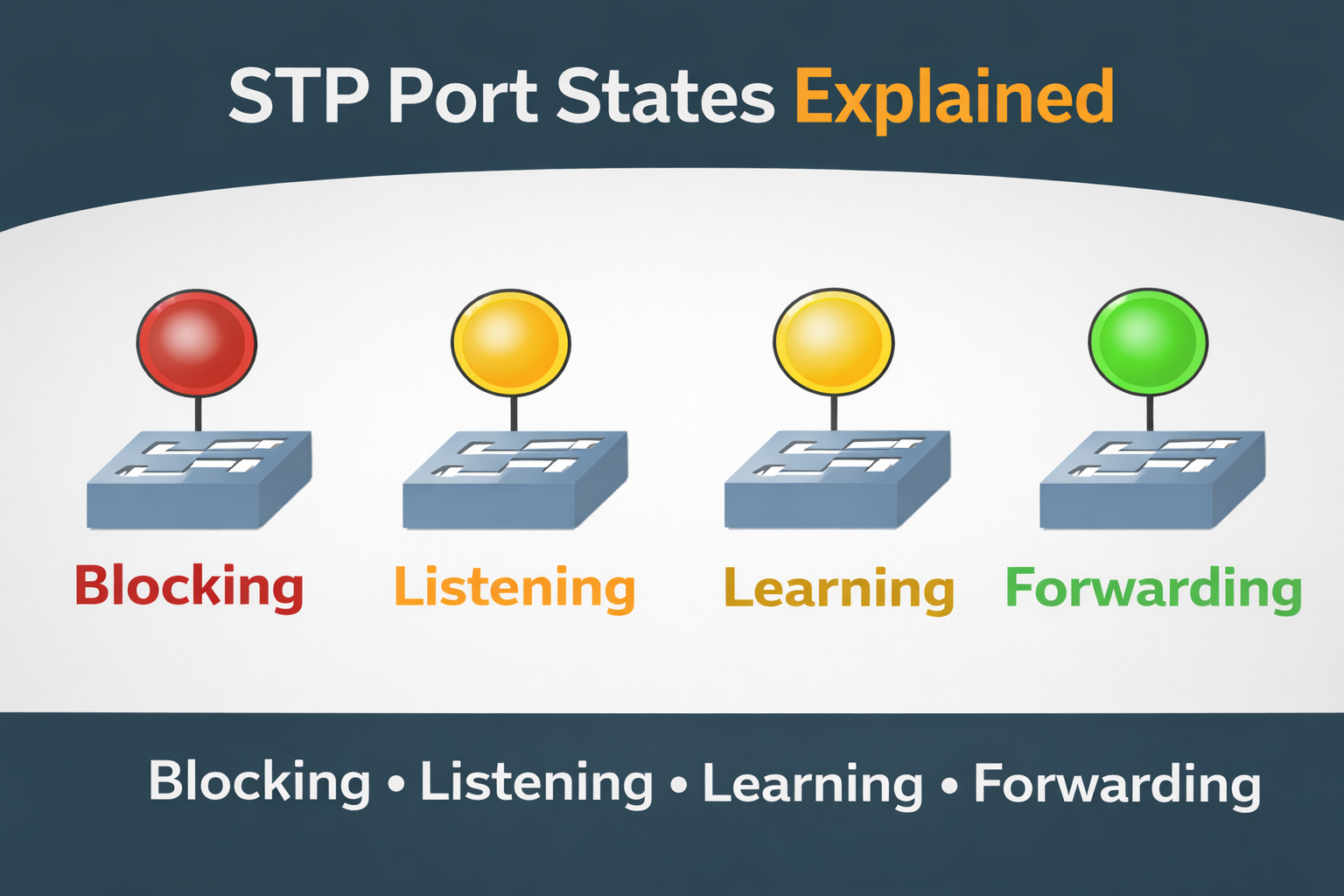
When people first learn Spanning Tree Protocol (STP), they usually focus on concepts like Root Bridge, Root Port, and Designated Port. However, many network issues related to STP are actually caused by misunderstanding STP port states. STP port states define how and when a switch port is allowed to forward traffic.These states are the reason … Read more
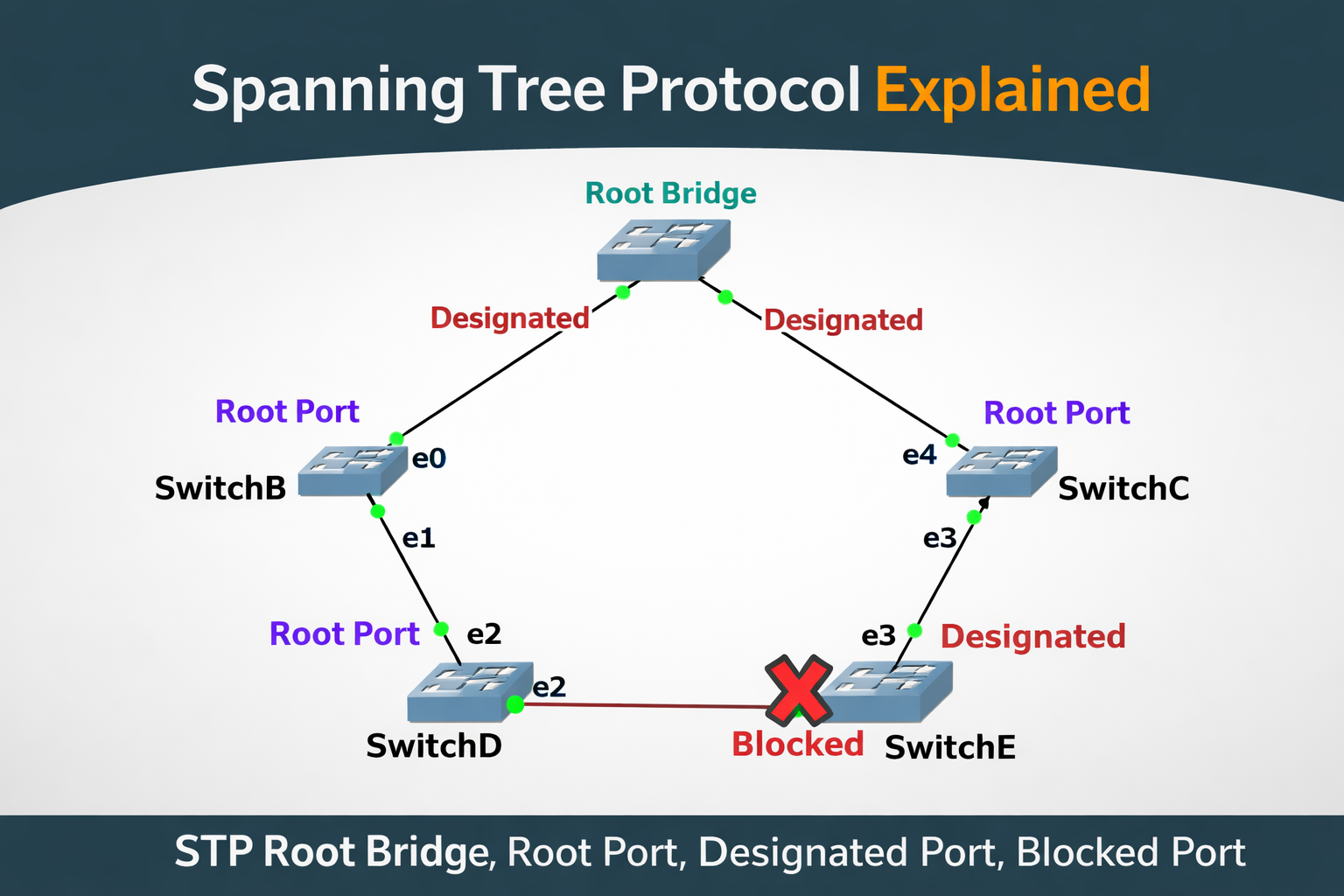
Spanning Tree Protocol (STP) Explained – How Switching Loops Are Prevented

stp

Switching Loops – When Redundancy Turns Dangerous In a switching network, redundancy is very common. We connect switches using multiple links so that if one link fails, traffic can still flow through another path. On paper, this looks like a strong and reliable design. However, at Layer 2, redundancy comes with a serious risk known … Read more

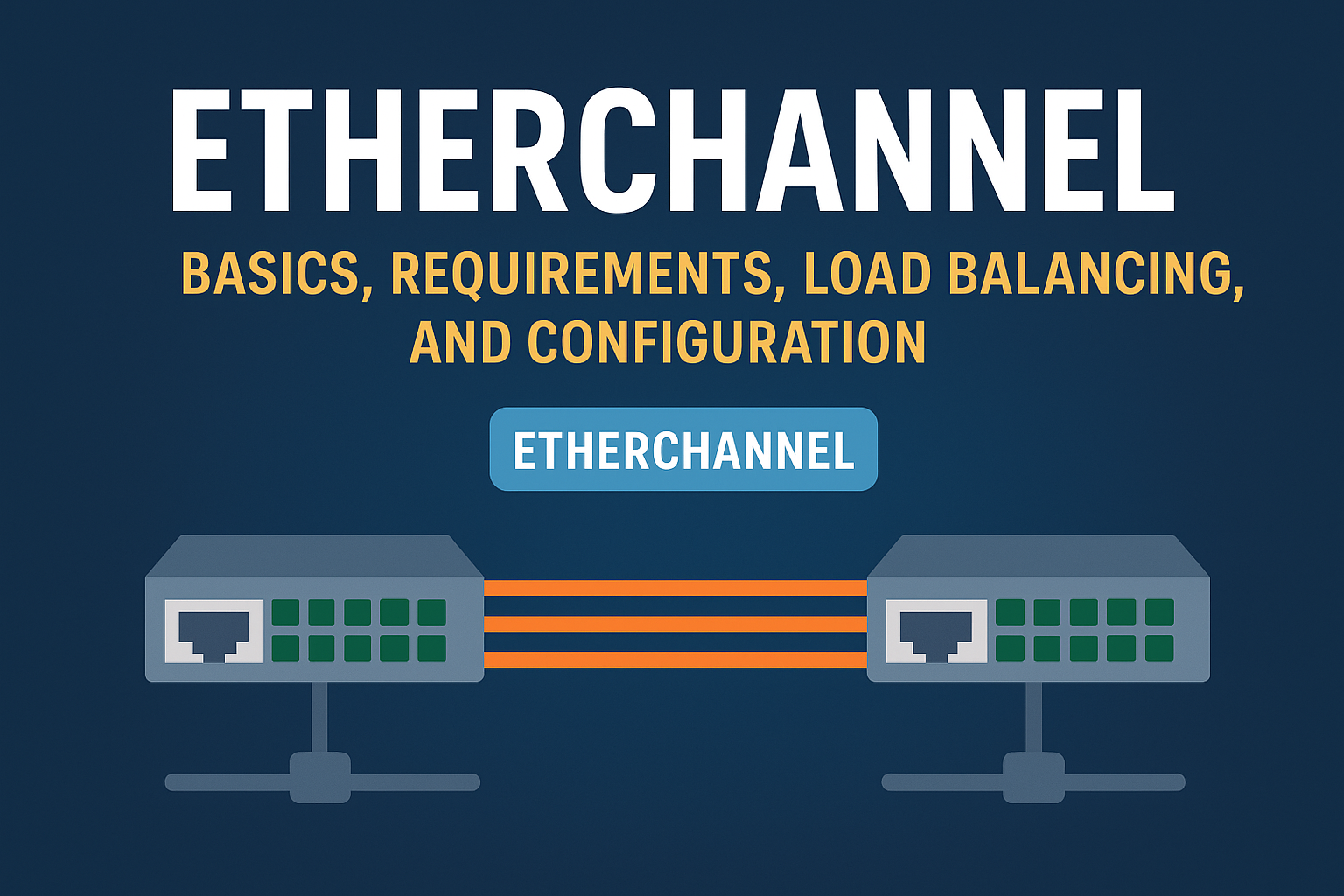
EtherChannel Explained: Basics, Requirements, Load Balancing, and Configuration

etherchannel

In modern networks, traffic demand keeps increasing. A single physical link between switches is often not enough to handle bandwidth requirements or provide redundancy. This is where EtherChannel becomes extremely useful. In this blog, we will clearly understand: Everything is explained in simple, plain English, without assuming deep prior knowledge. What Is EtherChannel? EtherChannel is … Read more

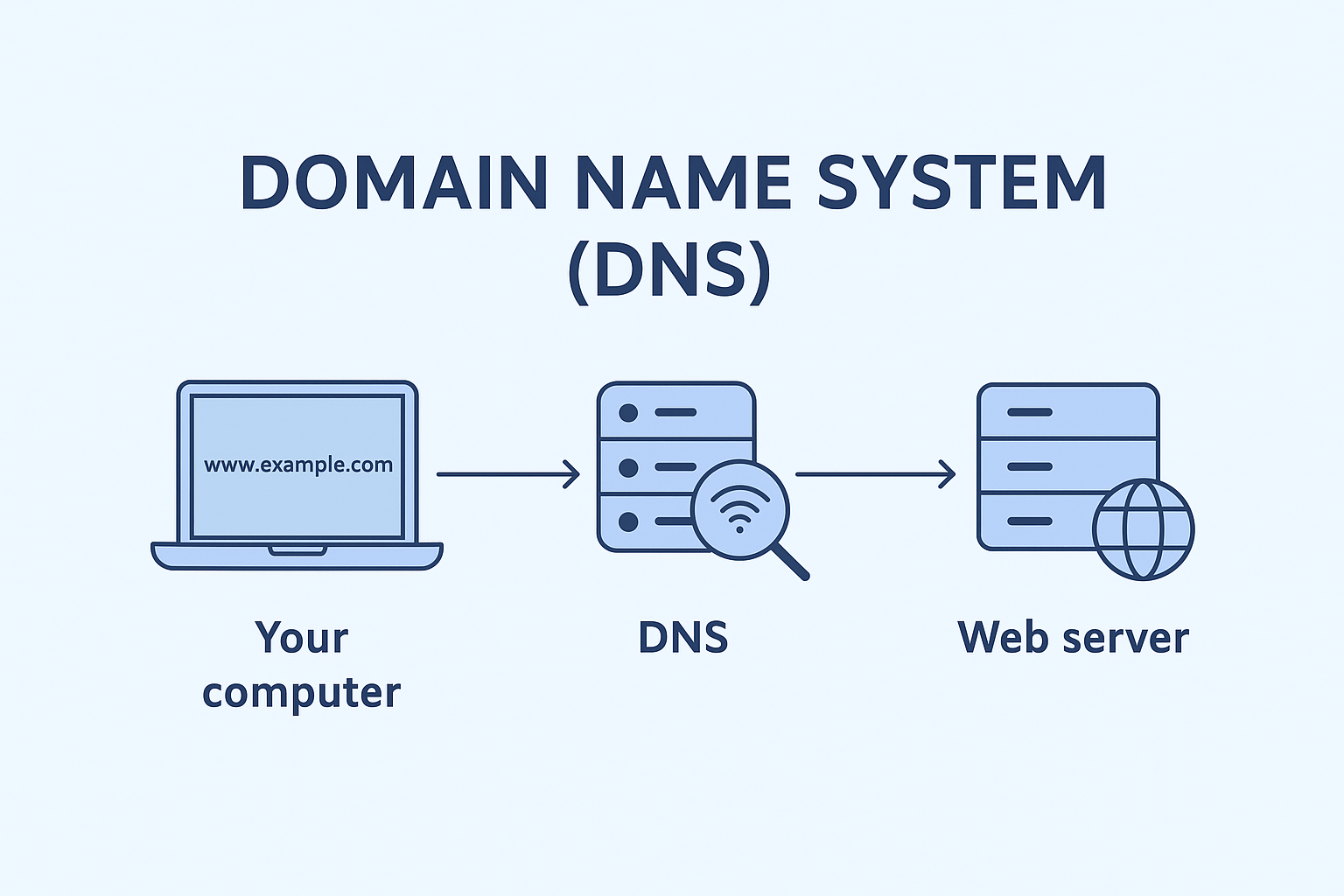
what is DNS (Domain Name System)

what is dns

Understanding DNS: The Internet’s Phonebook Every time you open a browser and type a website address like www.google.com, something incredible happens behind the scenes. Your computer somehow knows exactly where that website is located on the internet. But how does that magic happen? The answer lies in one of the most essential systems that powers … Read more

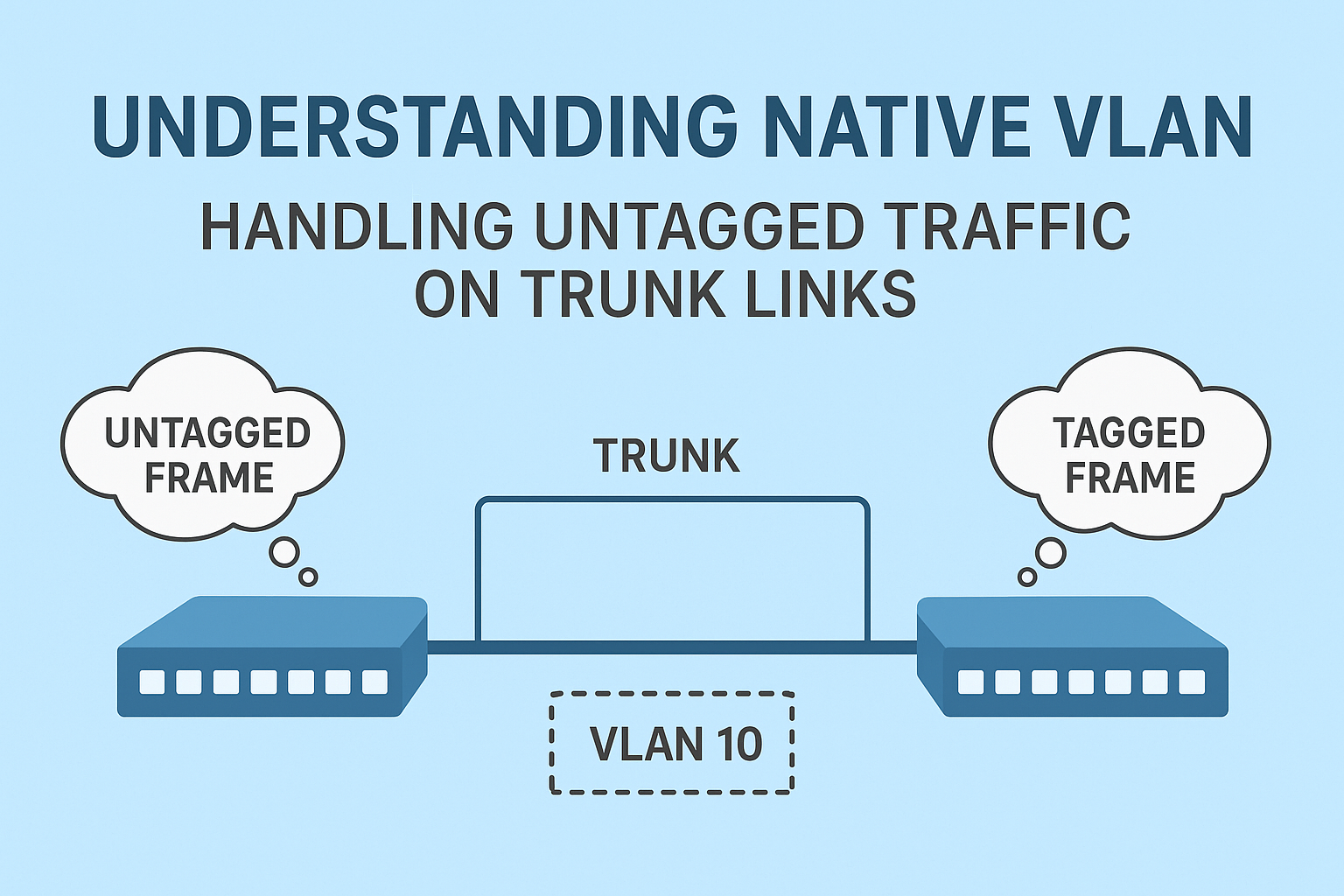
Understanding Native VLAN

native vlan

Native VLAN: The Bridge Between Tagged and Untagged Traffic When working with VLANs and trunk links, one of the most common questions that comes up is –“What happens when a trunk port receives a frame that isn’t tagged with any VLAN ID?” This is where the concept of the Native VLAN comes into play. Let’s … Read more

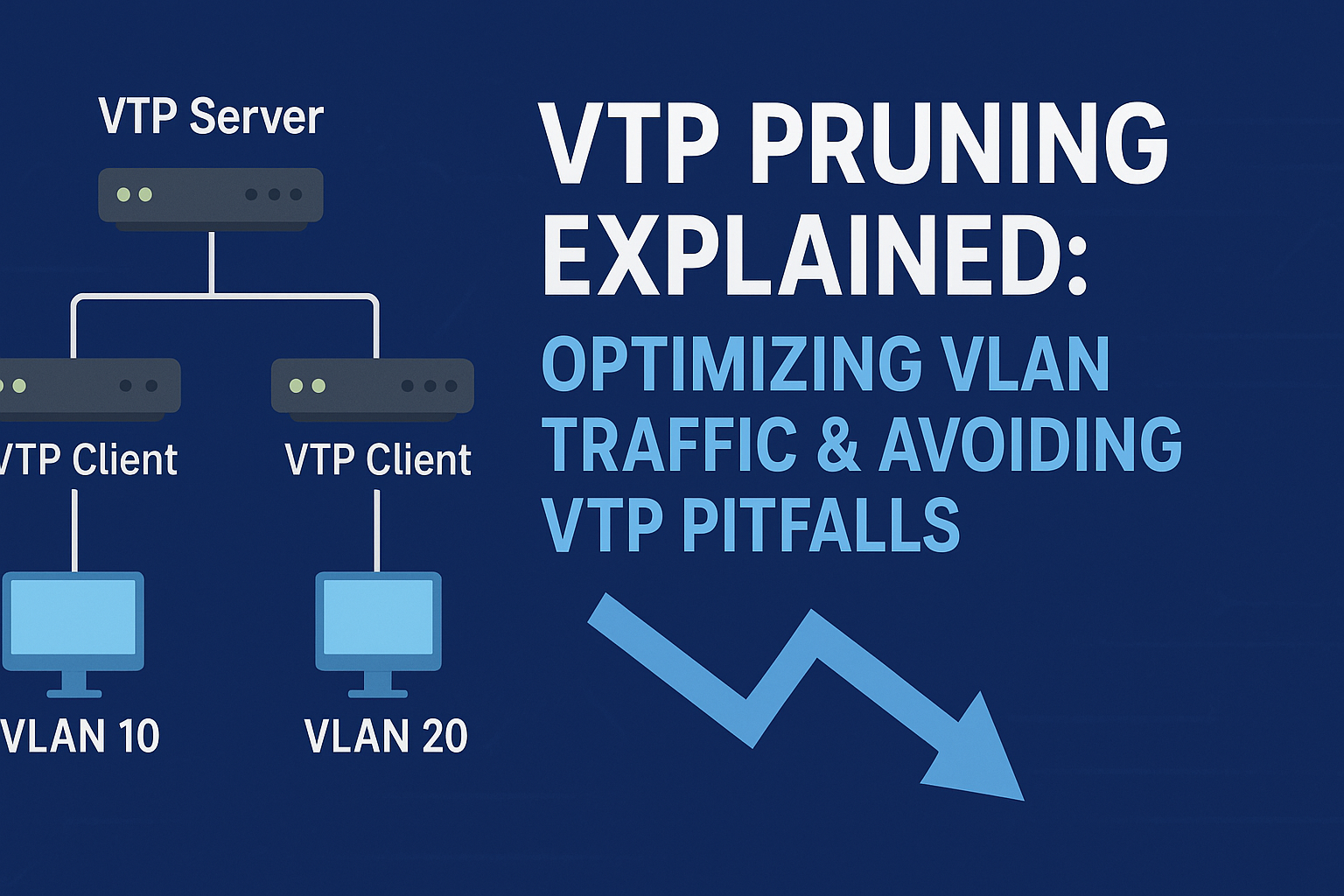
VTP Pruning Explained: Optimizing VLAN Broadcast Traffic

vtp pruning

When your network has multiple VLANs, it’s common to see unnecessary broadcast and multicast traffic moving across every trunk link – even to switches that don’t have hosts for that VLAN. This wastes valuable bandwidth. That’s exactly what VTP Pruning is designed to prevent. It’s a smart feature that helps your switches send VLAN traffic … Read more

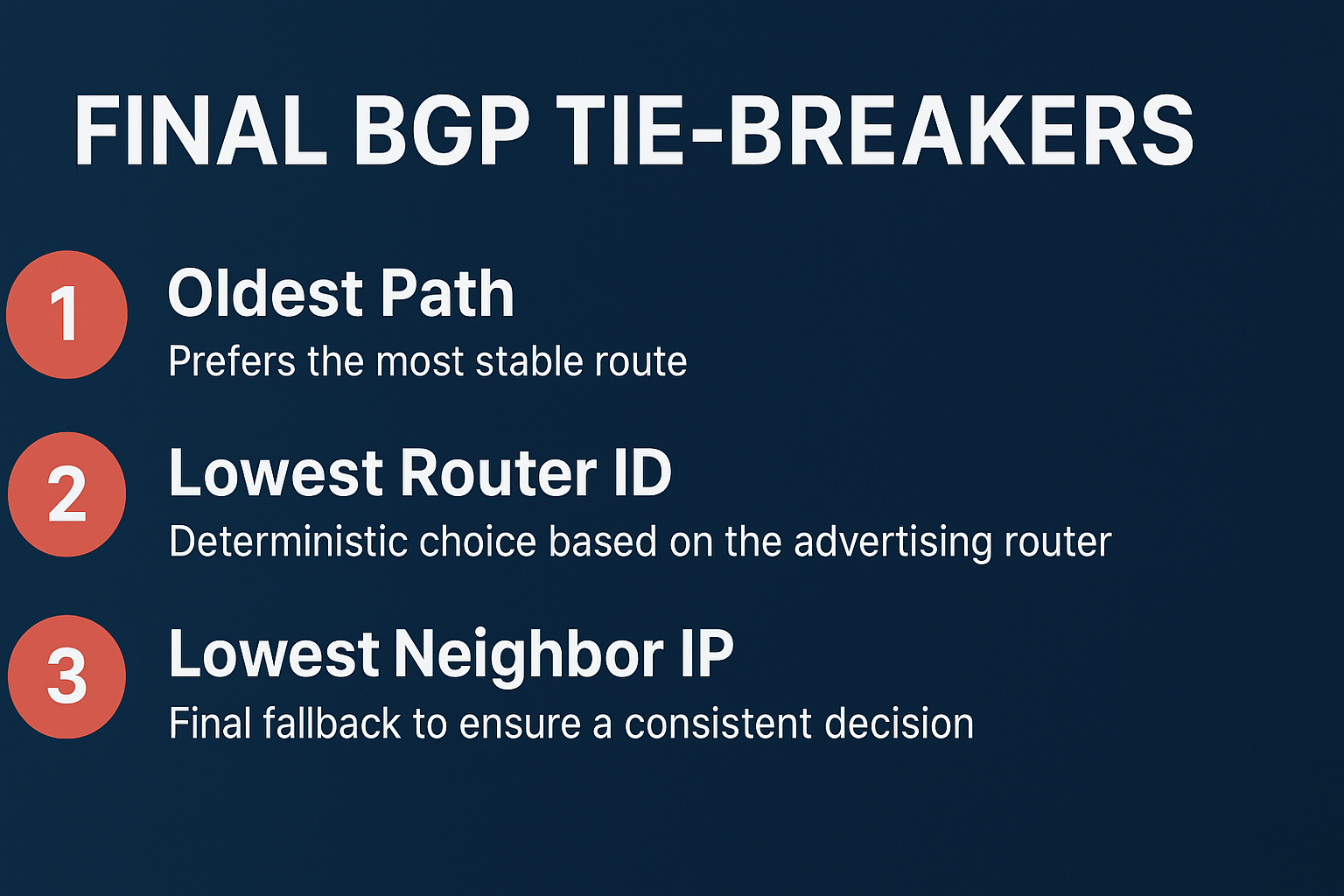
Final BGP Tie-Breakers: Oldest Path, Lowest Router ID, and Lowest Neighbor IP

final bgp tie breakers oldest path, lowest router id, and lowest neighbor ip

In our BGP Best Path Selection series, we have gradually explored how BGP makes its routing decisions step by step. So far, we’ve covered the major attributes that influence the path selection — starting from the top of the list: Now that all the major decision points are done, we have reached the final stage … Read more

VTP Advertisements, Message Types, and Configuration Revision Numbers

what are vtp advertisements

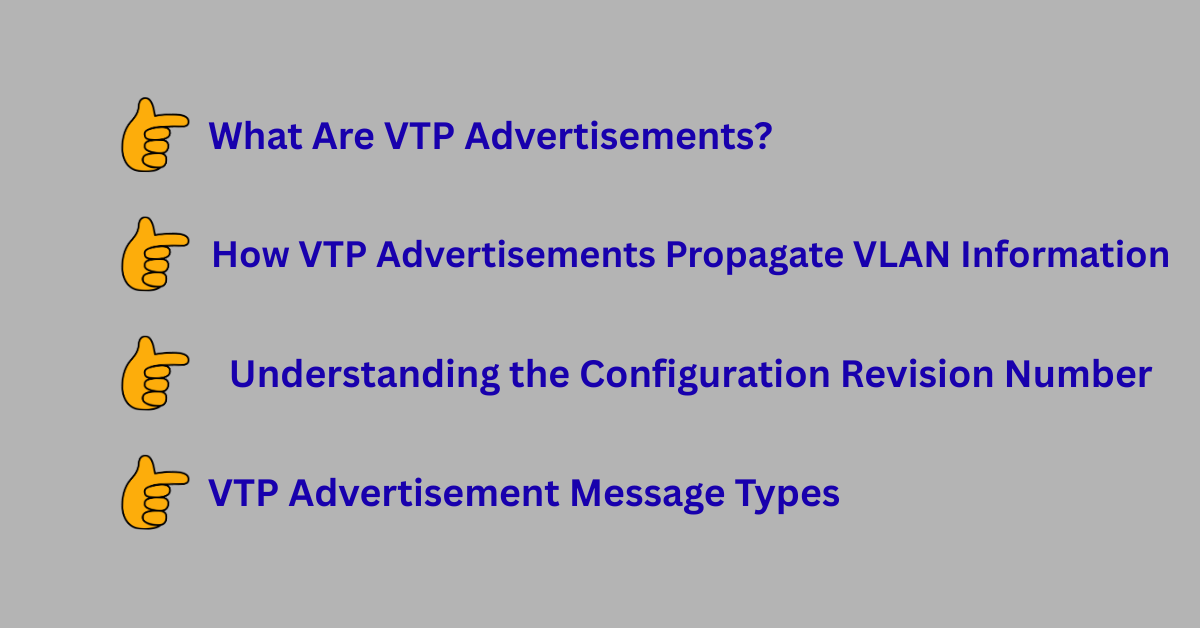
Inside VTP: Understanding Advertisements, Message Types, and Revision Numbers Introduction In VLAN Trunking Protocol (VTP), switches don’t work in isolation – they constantly talk to each other to make sure all VLAN information stays in sync.This coordination happens through VTP Advertisements – special messages that carry VLAN data between switches. However, what really decides which … Read more